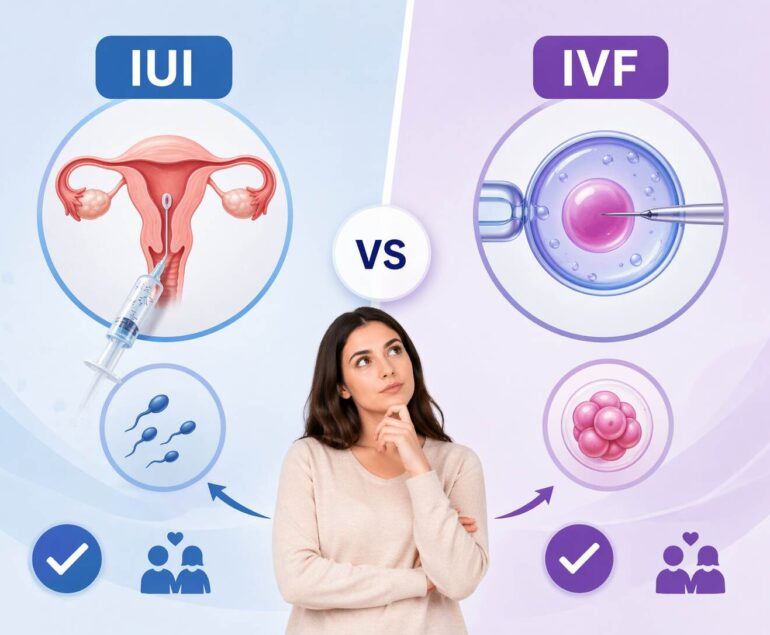

Beginning a fertility process may seem like passing an exam that you have never studied. You listen to various views of your friends, relatives and the internet. There are those that sound hopeful and there are those that sound scary. The reality is most of the time in the middle. Learning IVF Success Rates by Age can make couples make informed decisions rather than basing their decisions on myths.
In modern times, numerous couples consider supportive therapies in addition to medical ones. As an illustration, there are patients who come to a trusted ayurvedic infertility clinic in Shahdara to enhance the overall reproductive wellbeing before or during fertility treatment. An undemanding solution provides individuals with increased assurance and understanding in this emotional procedure.
In this blog, we are going to disaggregate actual, evidence-based predictions of ivf success rates by age, justify the numbers, and give some practical advice to couples looking to undergo IVF in 2026.
Why Age Plays a Big Role in IVF Success
One of the most powerful predictors of fertility is age. Physicians all over the world are in agreement. The principal explanation is simple; the quality and quantity of eggs decrease naturally with time.
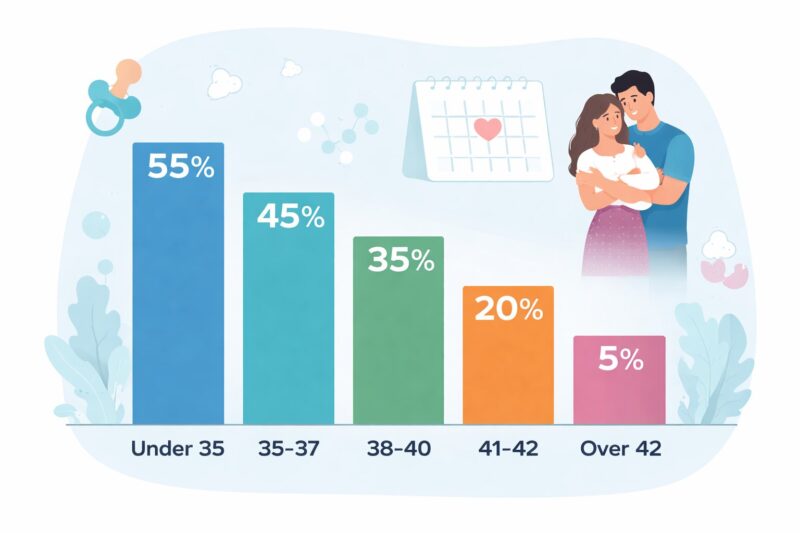
The American Society of Reproductive Medicine and the Centers of Disease Control and Prevention report that the decline in fertility starts slowly after age 30, and more quickly after age 35. The trend is reflected in the world fertility statistics.
Consider fertility a phone battery. It is ideal in the beginning where it is new, and it will slightly slow down after several years, and will require additional support. This does not imply that pregnancy is impossible. It only implies that planning becomes more crucial.
It is due to this reason that doctors tend to emphasize a lot on age when talking about the success rate of IVF. they assists in establishing realistic expectations and drawing the appropriate treatment plan.
Also Read : IVF vs Surgery: What’s the Best Treatment for Tubal Blockage?
IVF Success Rates in Your 20s
The 20s tend to be the most fruitful period. The quality of eggs is also better and the body is responsive to fertility drugs.
According to most fertility organizations, women who are below the age of 30 are the most likely to have the best success per IVF cycle. Not all cases however require IVF at this stage unless it is blocked by some medical conditions like blocked fallopian tubes or severe male infertility.
Most young couples like to begin with lifestyle changes first. These may include:
- Eating healthy weight.
- Managing stress levels
- Improving sleep patterns
- Eating a healthy diet.
Other patients seek prevention care using an ayurvedic doctor online consultation as an adjunct to hormonal balance, and reproductive health prior to the initiation of more intensive measures. The step can be used to determine the possible problems at an early stage.
IVF Success Rates in Your 30s
The busiest decade of life is the 30s. The careers develop, the responsibilities also expand, and family planning is occasionally postponed. Still there is high fertility but we can see some slight changes.
A study by the National Health Service indicates that the success rates of IVF are relatively high until the mid-30s and then the decreasing tendency.
Women of this age might begin to feel:
- Irregular menstrual cycles
- Hormonal imbalances
- Such conditions as PCOS or endometriosis.
These problems do not necessarily bar pregnancy. A diagnosis at an early age is significant. A lot of couples are integrating the current fertility treatment with the aid of the ayurvedic infertility clinic in Shahdara to enhance the general state of reproductive health and make the body ready for IVF.
IVF Success Rates After Age 35
Physicians tend to refer to 35 as a fertility turning point. This does not imply that pregnancy is no longer possible. It just requires more planning and monitoring of the body.
The loss of egg quality accelerates beyond 35, and there is an increased chance of genetic abnormalities. Due to this reason, doctors might suggest extra tests prior to the commencement of IVF.
Common fertility challenges after 35 include:
- Reduced ovarian reserve
- Fibroids
- Endometriosis
- Tubal blockage
Integrated care models are sought by couples who have these conditions. An example is lifestyle advice and herbal supplements with the aid of an ayurvedic doctor online consultation, which could relieve stress and enhance reproductive health, along with medical care.
The following is one practical hint that many doctors can give:
Wait not too long to consult. When the treatment is consulted early, it may tend to have better results.
IVF Success Rates After Age 40
The natural decrease in fertility is steeper after 40. The quantity of healthy eggs reduces and the chance of miscarriage is high. Nevertheless, a lot of women manage to conceive with the help of IVF at this age.
Physicians emphasis is placed on three crucial aspects:
- Egg quality
- Overall health
- Timely treatment
The current fertility technology is still improving. Embryo screening and individualized drug regimes are just some of the few techniques that have helped to make IVF a safer and more efficient process than it used to be ten years ago.
In case traveling or time constraints complicate clinic visits, couples can start by an online consultation with an ayurvedic doctor to discuss symptoms, medical history, and next steps and then see a specialist in-person.
IVF Success Rates by Age in India: What the Data Suggests
Fertility care in India has experienced a high growth in the past decade. Clinics are now subjected to international treatment guidelines and super-modern laboratory equipment.
Statistics in the publications of trustworthy medical bodies such as the Indian Society of Assisted Reproduction indicate that the ivf success rates by age India have the same trend as that of the rest of the world.
There are several factors that determine success, including:
- Age
- Cause of infertility
- Lifestyle habits
- Medical history
- Clinic expertise
That is why doctors do not provide a single answer to the question of the success of IVF. The case of every patient is different. Individualized care is always more effective than standardized care.
How to Improve Your Chances of IVF Success
Age is something you cannot control, but habits per day you can. The slight changes in lifestyle usually make a significant difference in the fertility outcome.
The following are some real-world, science-supported measures:
Maintain a Healthy Weight
Hormone balance can be disrupted by both being underweight and overweight.
Quit Smoking and Limit Alcohol
Smoking is harmful to the quality of eggs and sperm. It is highly advised to stop before treatment as recommended by many fertility specialists.
Manage Stress
Stress can be chronic, which impacts hormone levels and sleep patterns. Yoga, meditation and breathing exercises are relaxation methods that can be used.
Seek Early Guidance
One of the most frequent mistakes that couples commit is waiting too long. By going to a reputable fertility clinic, like an ayurvedic infertility clinic in Shahdara, the doctors can diagnose issues at the beginning and develop a well-defined treatment strategy.
The location of the clinic is also easily accessible, via the Ayu Fertility Google Business profile, which has directions, contact information, and patient reviews.
When Should You Consider IVF?
Doctors usually recommend IVF when:
- Pregnancy has not occurred after 12 months of trying
- The woman is over 35 and has tried for 6 months
- There is severe male infertility
- Fallopian tubes are blocked
- Other treatments have failed
Seeking advice early saves time, money, and emotional stress. Even a simple consultation can provide clarity about the next step.
Final Thoughts: Realistic Expectations Build Better Outcomes
People from all over the world have benefited from IVF which has provided assistance to millions of families. The process requires specific timing together with proper planning and achievable expectations to succeed. The IVF Success Rates by Age provide couples with the ability to make decisions which Ayu Fertility can trust instead of making their choices based on uncertainty.
Fertility assessment requires more than numeric evaluation. Health, patience, and appropriate support systems define the path to success. The selection of medical treatment methods together with lifestyle modifications and supportive therapies will produce optimal results when people base their choices on knowledge.
The best strategic approach requires you to select appropriate questions which you will pose during the appropriate times. If you are ready to take the next step or need expert guidance for your fertility journey, contact us today to receive personalized support and clear answers to your concerns.