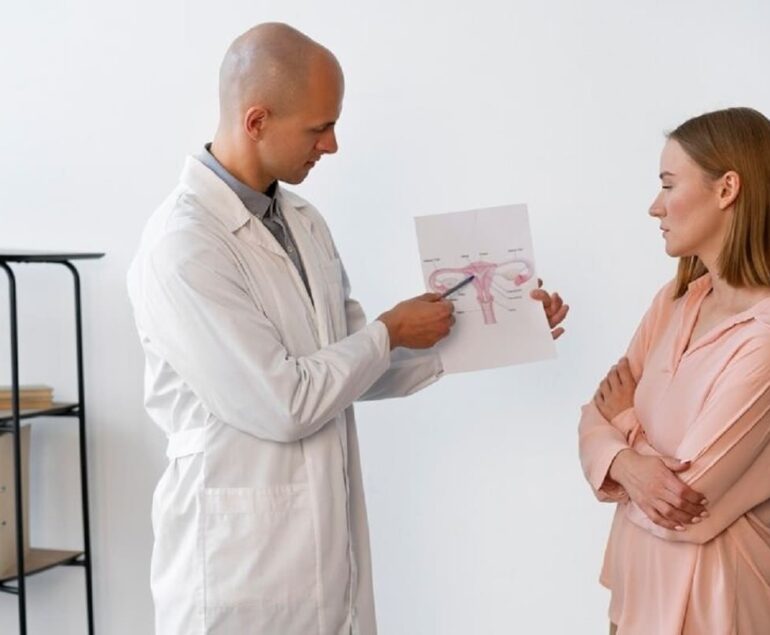


Identifying the reasons behind infertility is one of the ways to decide which type of treatment would be appropriate. Female fertility tests for women serve to identify various elements influencing her fertility and overall health status. Hormone blood tests, ultrasound to investigate the condition of the ovaries and uterus, and a test to evaluate the patency of the fallopian tubes are among the types of testing that can be done. The choice of testing procedures depends on certain aspects, including age, the patterns of menstrual cycles, previous health background, and the patient’s individual symptoms. We at Ayu Fertility appreciate the value of personalised fertility care and informed decisions. Finding out what fertility tests can be done will allow women to learn more about themselves and to consult a specialist.
Which Female Fertility Tests Should You Start With?
The doctor normally recommends an evaluation to see if you are fertile if you haven’t gotten pregnant within 12 months of having unprotected intercourse or after six months if you are aged 35 years or more. This evaluation is recommended even before that time if you experience very painful menstruation or if you have thyroid disorders, PCOS, endometriosis, or pelvic infection. There are basically three types of female infertility tests, and they include:
- Blood hormone test: Follicle-stimulating hormone (FSH), Luteinising Hormone (LH), estradiol, prolactin, and thyroid-stimulating hormone (TSH) are used to evaluate the regulation of ovulation.
- Anti-Müllerian Hormone (AMH): AMH shows how many eggs remain in your ovaries.
- Progesterone mid-luteal: This is done to confirm if ovulation has occurred.
- Pelvic ultrasound: This test examines the ovaries and uterus, and the antral follicle count complements the ovarian reserve assessment.
- HSG (hysterosalpingography): This imaging test evaluates the openness of the fallopian tubes and normalcy of the uterine cavity.
- Hysteroscopy or laparoscopy: This is advised only when results from other tests indicate that you may have fibroids, polyps, adhesions, or endometriosis.
Equally important is the semen analysis of your spouse since one in every four infertility cases is due to male factors.
Understanding Common Fertility Issues
The majority of fertility issues may be classified according to several categories, including ovulatory disorders, tubal obstruction or tubal damage, abnormalities of the uterus and hormone disorders. The reasons include PCOS, disorders of the thyroid gland, elevated prolactin levels, endometriosis, and fibroids, but there is also the possibility that stress, lack of sleep, obesity or being underweight can affect ovulation as well. The good news is that many of these problems are treatable once they are recognised. This is why complete tests for female fertility are better than one report.
Female Fertility Age: Why Timing Matters
Female fertility age has an important role to play when it comes to your chances. The egg production and egg quality starts to diminish slowly from the late 20s, and this process happens more rapidly after 35 years of age. It does not mean that conception cannot happen later; however, postponing the tests can decrease the number of available choices for you. If you are over 35, then consider getting your fertility evaluation done at an earlier stage.
Female Fertility Test at Home: What Can You Really Do?
Many women often start out with the female fertility test at home since it is more convenient and private. The good ones to use would be ovulation predictor kits, basal body temperature monitoring, cycle calendar applications, and home hormone tests that determine the levels of FSH or AMH through finger-prick blood samples. These methods could tell you if you are ovulating and if you have regular cycles. They do not, however, allow for any checking of your tubes, uterus, and hormone balance. Consider them just as a preliminary step.
Shatavari Benefits for Female Fertility
Shatavari is one of the most precious herbs in Ayurveda for a woman’s reproductive health. This herb helps in balancing the hormones, improving reproductive tissue health, and increasing the level of energy. Shatavari is usually prescribed by many practitioners to women who have irregular cycles or lack energy. Although the research is still ongoing, Shatavari is used extensively as a supplementary herb along with a proper diagnosis. Shatavari works well when consumed with balanced eating habits and a regular schedule, and it needs to be consumed under the supervision of an Ayurvedic female infertility specialist.
Evion 400 Benefits for Female Fertility
Evion 400 is a supplement containing vitamin E, which is a type of antioxidant that protects the body’s cells against the stress of oxidation. Some physicians recommend it to help boost the growth of the uterine lining and to support reproduction. However, there is inadequate research regarding its effectiveness in helping to boost fertility, making it a questionable remedy to use alone. Do not commence on Evion 400 by yourself, especially if you are using other medications, such as blood thinners.
How to Use Ashwagandha for Female Fertility
Ashwagandha is an adaptogenic plant used in Ayurveda to support the body against stress, which can be a reason for ovulation disruption. In case of doubt about how to take ashwagandha for conception purposes, the best thing to do is to stick to the recommended dosage as prescribed by an Ayurvedic specialist because individual needs vary. The Ayurvedic Doctor Online Consultation is an easy solution for getting recommendations without leaving your home, particularly for people living away from clinics. It can be ingested either as a powder or capsule form; however, women suffering from thyroid issues or autoimmune diseases should consult a doctor first.
Take the Next Step with Confidence
The right test for women’s fertility reveals everything that is right, what is not so right, and what can be done about it. Right testing, together with good sleep, good diet, stress management and professional advice, provides a perfect solution. Our doctors at Ayu Fertility Clinic integrate the knowledge of modern diagnosis with Ayurvedic medicine in order to create a plan that fits you personally. Contact us today for an initial consultation.