
Trying to conceive can be an emotional journey, especially when pregnancy takes longer than expected. While several factors influence fertility, hormones play an important role in regulating the menstrual cycle, ovulation and reproductive health. Even small changes in hormonal levels may affect the body’s ability to release an egg or support the early stages of pregnancy.
Hormonal imbalance does not necessarily mean infertility. However, understanding how hormones affect reproductive health can help women identify possible concerns and seek appropriate guidance at the right time. At Ayu Fertility, understanding individual menstrual patterns and reproductive health is an important part of fertility guidance.
How Do Hormones Influence Female Fertility?
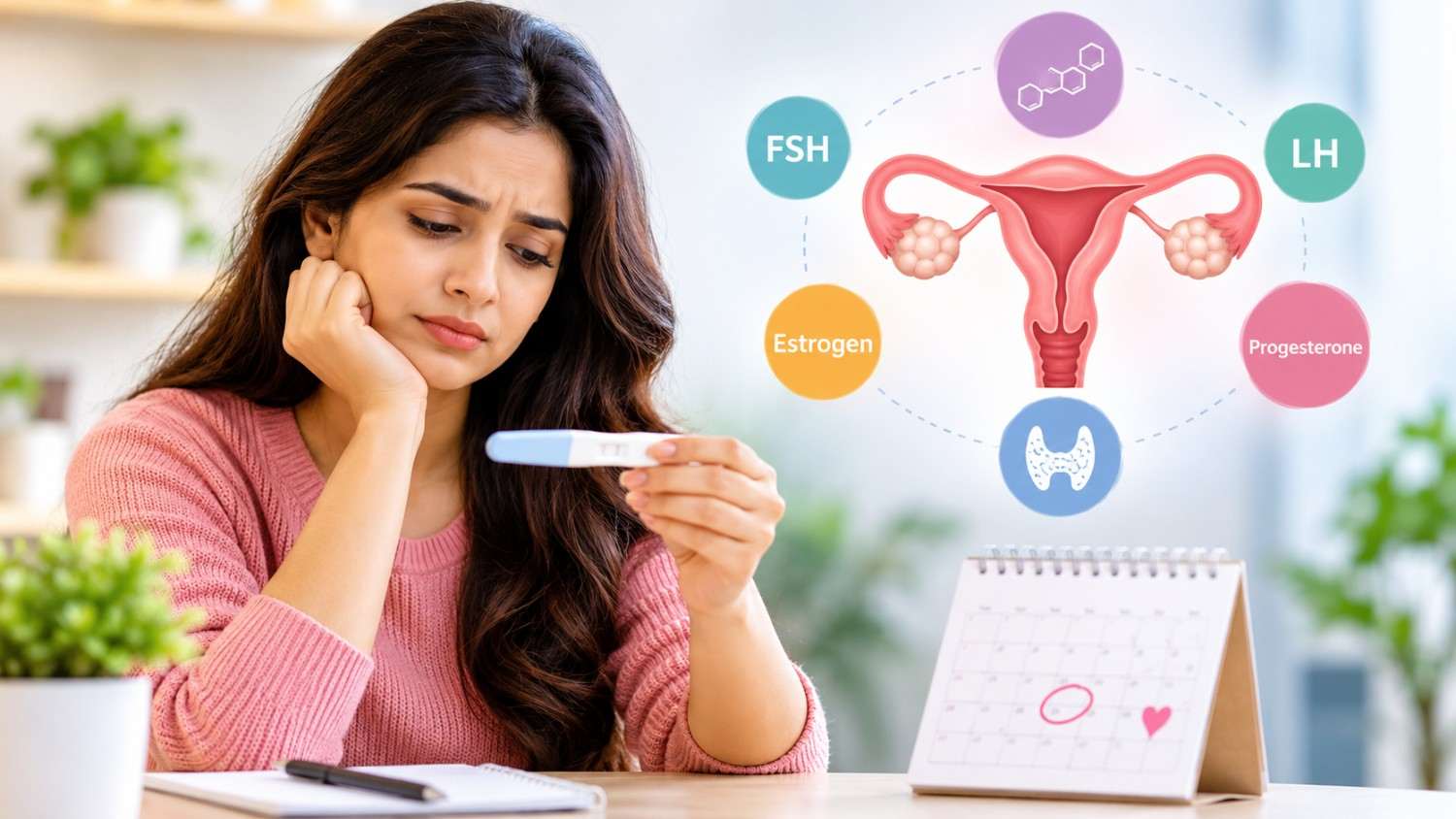
Hormones act as chemical messengers that coordinate different reproductive processes. They help regulate the menstrual cycle, prepare the ovaries for ovulation and create conditions that may support conception.
Some of the key hormones involved in female fertility include:
- Follicle-Stimulating Hormone (FSH): Helps ovarian follicles develop and supports egg maturation.
- Luteinising Hormone (LH): Its surge triggers ovulation, allowing an egg to be released from the ovary.
- Estrogen: Supports the growth of the uterine lining and helps regulate the menstrual cycle.
- Progesterone: Helps prepare the uterine lining for implantation and supports early pregnancy.
- Thyroid hormones: Influence metabolism and can affect menstrual regularity and reproductive function.
- Prolactin: Excessively high levels may interfere with ovulation and menstrual cycles.
When these hormones are not functioning in a balanced way, ovulation or other reproductive processes may become irregular.
Can Hormonal Imbalance Make It Difficult to Conceive?
Yes, certain hormonal conditions can make conception more challenging. However, their effects vary from person to person, and many women with hormonal concerns can conceive with appropriate evaluation and care.
Some common hormonal conditions associated with fertility difficulties include:
1. Polycystic Ovary Syndrome (PCOS)
PCOS may affect hormonal regulation and ovulation. Women with PCOS may experience irregular periods, acne, increased facial hair or difficulty predicting their fertile days. In some cases, ovulation may occur less frequently, reducing opportunities for conception.
2. Thyroid Imbalance
Both an underactive and overactive thyroid can influence menstrual cycles and reproductive health. Changes in thyroid hormone levels may affect ovulation and, in some cases, pregnancy outcomes. Appropriate thyroid evaluation is important when symptoms or menstrual irregularities are present.
3. Elevated Prolactin Levels
High prolactin levels may interfere with the hormones responsible for ovulation. Some women may experience irregular periods, absent menstruation or unexpected breast milk production when they are not breastfeeding.
4. Low Progesterone Levels
Progesterone rises after ovulation and helps prepare the uterine lining for a possible pregnancy. If ovulation does not occur normally, progesterone levels may not rise as expected. The timing of progesterone testing is important when evaluating a menstrual cycle.
Common Signs That May Indicate Hormonal Changes
Hormonal imbalance does not always cause noticeable symptoms. However, certain changes may indicate that further evaluation is needed.
Watch for:
- Irregular, missed or unusually frequent periods
- Very heavy or unusually light menstrual bleeding
- Persistent acne or increased facial hair
- Unexplained weight changes
- Excessive hair thinning
- Difficulty identifying fertile days
- Repeated delays in menstruation
- Unusual tiredness or changes in mood
These symptoms can have several causes, so they should not automatically be attributed to hormonal imbalance. Ayu Fertility encourages women to understand their symptoms rather than rely on assumptions or self-diagnosis.
What Can Contribute to Hormonal Imbalance?
Hormonal changes may be associated with several factors, including:
- PCOS or other reproductive health conditions
- Thyroid disorders
- Prolonged stress and inadequate sleep
- Significant weight fluctuations
- Excessive physical exercise
- Certain medications
- Nutritional deficiencies or underlying health concerns
Maintaining regular sleep, balanced nutrition, physical activity and stress management may support overall health. However, lifestyle changes alone may not resolve an underlying hormonal condition.
How Can You Support Your Reproductive Health Naturally?
Healthy daily habits can support general wellbeing and may help maintain a healthier menstrual routine.
Consider incorporating these practices:
- Eat balanced meals containing protein, healthy fats, fibre, fruits and vegetables.
- Maintain regular physical activity suited to your body and health.
- Follow a consistent sleep schedule.
- Avoid extreme dieting and sudden weight changes.
- Track menstrual dates, bleeding patterns and possible ovulation symptoms.
- Seek medical guidance if periods remain irregular or conception is taking longer than expected.
At Ayu Fertility, women can explore personalized guidance through an Ayurvedic Doctor Online Consultation based on their health history, symptoms and individual needs.
When Should You Seek Fertility Guidance?
Consider consulting a fertility professional if you experience persistent irregular periods, absent menstruation, known PCOS or thyroid concerns, or difficulty conceiving.
Women under 35 are generally advised to seek an infertility evaluation after 12 months of regular unprotected intercourse. Women aged 35 and above should consider evaluation after six months, while women over 40 or those with known reproductive concerns may benefit from earlier consultation.
Depending on the symptoms, assessment may involve menstrual history, blood tests, ultrasound examination and evaluation of both partners.
Women exploring traditional wellness approaches may also learn about Ayurvedic Female Infertility Treatment in Delhi at Ayu Fertility. Another consultation may help discuss Fibroid Ayurvedic Treatment in Delhi in relation to individual reproductive health. Ayurvedic care should be considered alongside appropriate medical investigations and evidence-based fertility care.
Final Thoughts
Hormonal imbalance can influence ovulation, menstrual regularity and the overall reproductive process, but it does not automatically mean that pregnancy is impossible. Identifying the underlying cause is an important step towards making informed decisions about fertility.
With proper evaluation, personalised lifestyle guidance and suitable treatment when required, women can better understand their reproductive health. Ayu Fertility aims to provide supportive guidance to women navigating fertility concerns, helping them approach their journey with greater awareness, confidence and realistic expectations.