
Why Male Infertility Is Increasing Among Indian Men
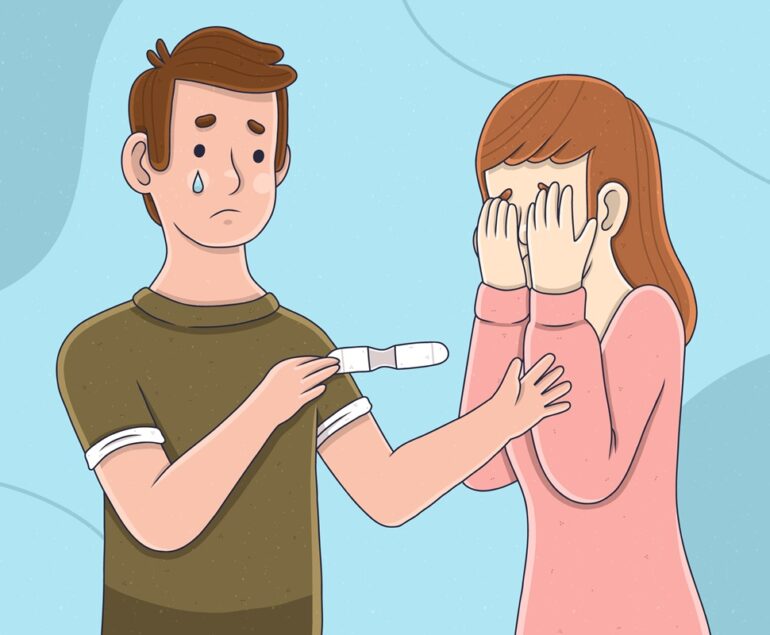
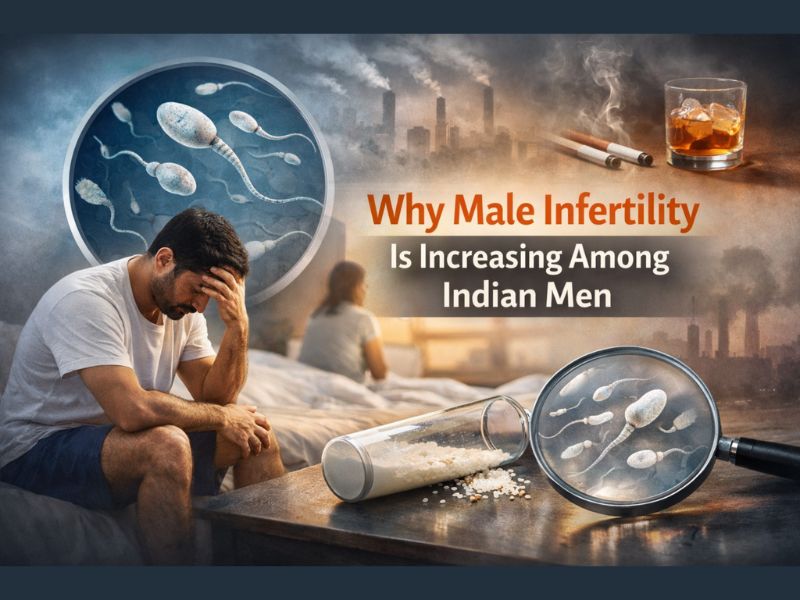
Infertility is no longer a concern limited to women. Across the country, doctors are seeing a steady rise in male infertility in India, especially among urban, working-age men. What was once considered rare is now a growing public health issue, affecting couples emotionally, socially, and physically.
Rising infertility rates in India reflect changes in lifestyle, environment, stress levels, and awareness. This blog explores why infertility in Indian men is increasing, the most common medical and lifestyle causes, and how early action can help protect male reproductive health.
At Ayu Fertility, founded by Dr. Prashant Jain, infertility is approached with awareness, education, and evidence-based Ayurvedic care, making treatment more accessible and affordable for Indian families.
Understanding Male Infertility in the Indian Context
Male infertility refers to the inability of a man to contribute to pregnancy after one year of regular, unprotected intercourse. Studies suggest that male factors contribute to nearly 40–50 per cent of infertility cases. Understanding male infertility in India is a critical issue that deserves open discussion.
Infertility in men is commonly linked to problems with sperm health, hormone balance, or reproductive anatomy. Unfortunately, myths about male infertility still prevent many men from seeking timely diagnosis and care.
Rising Infertility Rates in India – What’s Changing?
The increase in Indian male fertility issues is not accidental. Several long-term shifts are contributing to this trend:
- Urban lifestyle and male infertility are closely linked
- Delayed marriage and parenthood
- Increased exposure to environmental toxins
- Sedentary habits and a poor diet
- Stress and long working hours
Together, these factors create conditions that directly impact sperm quality issues and overall male fertility.
Causes of Male Infertility That Doctors See Most Often
Medical and Hormonal Factors
Some infertility causes in men are medical and require clinical attention:
- Low sperm count in men
- Poor sperm motility
- Abnormal sperm structure
- Hormonal imbalance affecting testosterone
- Varicocele or infections
These male fertility problems often develop silently, which is why routine evaluation is important when conception is delayed.
Lifestyle Causes of Male Infertility
Daily habits affecting male fertility are among the biggest contributors today:
- Lack of physical activity
- Poor sleep cycles
- Excessive screen time
- Irregular eating patterns
Over time, these habits weaken sperm health and reduce reproductive potential.
The Impact of Stress on Male Fertility
Modern work culture has made stress unavoidable. Chronic stress alters hormone levels and interferes with sperm production. Research shows that stress and long working hours can lower testosterone, disrupt sperm development, and worsen infertility in Indian men.
Mental health support, work-life balance, and stress reduction techniques are now considered essential parts of male infertility treatment in India.
Smoking, Alcohol, and Environmental Exposure
Effect of Smoking on Sperm Count
Smoking damages sperm DNA and significantly reduces sperm count. Men who smoke are more likely to experience low sperm count and poor motility, making conception difficult.
Environmental Factors Affecting Male Fertility
Pollution, pesticides, plastic exposure, and heavy metals have been linked to declining sperm quality issues. Urban living exposes men to environmental risks that directly affect male reproductive health.
Male Infertility Symptoms and Causes Men Often Ignore
Common warning signs include:
- Reduced sexual desire
- Erectile or ejaculation issues
- Testicular pain or swelling
- Unexplained fatigue
Ignoring these signs delays diagnosis and worsens the condition. Early consultation improves outcomes significantly.
Myths About Male Infertility That Need to End
Many still believe infertility is only a female issue. Others assume that having normal sexual performance means fertility is intact. These myths about male infertility delay testing and treatment, allowing problems to progress unnoticed.
Male infertility awareness in India is essential to break stigma and encourage proactive care.
Ayurvedic Perspective on Male Infertility
Ayurveda views male fertility as a balance of physical strength, digestion, hormonal health, and mental well-being. At Ayu Fertility, treatment focuses on identifying root causes rather than only managing symptoms.
Ayurvedic male infertility treatment in Delhi emphasises:
- Detoxification
- Hormonal balance
- Improving sperm quality naturally
- Strengthening reproductive tissues
This holistic approach supports long-term reproductive health and overall vitality.
How to Improve Sperm Count Naturally
Men looking for the best fertility tips for men can start with simple, effective steps:
- Maintain a healthy weight
- Eat antioxidant-rich foods
- Exercise regularly but moderately
- Avoid tobacco and excessive alcohol
- Practice stress management
These steps support male fertility and complement professional treatment.
When to Seek Male Infertility Treatment in India
Couples should consult a specialist if pregnancy has not occurred after one year of trying, or six months if the female partner is over 35. Early diagnosis improves success rates and reduces emotional stress.
As a trusted Ayurvedic infertility doctor in Delhi, Dr. Prashant Jain leads a team that offers personalised consultations and comprehensive fertility evaluation under one roof.
Comprehensive Fertility Care Beyond Male Infertility
While male infertility is a focus, Ayu Fertility also provides care for conditions affecting female partners, including endometriosis treatment in Delhi, fibroid Ayurvedic treatment in Delhi, and tubal blockage treatment in Delhi. This integrated approach ensures better outcomes for couples.
Recognised as the best ayurvedic clinic for infertility in Delhi, the clinic combines tradition, modern diagnostics, and patient education to support informed decision-making.
Male Infertility Awareness in India Needs a Cultural Shift
Despite rising infertility rates in India, conversations around male reproductive health remain limited. Social pressure, embarrassment, and misinformation often stop men from getting tested early. This delay not only affects fertility outcomes but also places unnecessary emotional strain on couples.
Building male infertility awareness in India requires:
- Open conversations within families
- Inclusion of men in fertility discussions
- Normalising semen analysis and hormonal testing
- Correcting misconceptions around masculinity and fertility
Improving awareness is one of the most effective ways to reduce untreated infertility in men.
How Lifestyle Affects Male Fertility in India Today
India’s rapid urbanisation has transformed daily routines. While convenience has increased, reproductive health has suffered. Urban lifestyle and male infertility are now closely connected.
Common contributors include:
- Long hours of sitting at desks
- Irregular meals and processed food intake
- Reduced physical activity
- High dependence on mobile devices and laptops
Over time, these patterns disrupt hormonal balance and weaken sperm health, leading to long-term male fertility problems.
Most Common Causes of Male Infertility Identified Clinically
Doctors across India consistently observe a few recurring patterns when evaluating the most common causes of male infertility:
- Declining sperm concentration
- Increased DNA fragmentation in sperm
- Hormonal imbalance due to stress or obesity
- Heat exposure affects testicular function
These findings reinforce why early screening and lifestyle correction are essential when addressing male infertility.
Role of Diet and Nutrition in Sperm Health
Nutrition plays a direct role in sperm development. Deficiencies in zinc, selenium, vitamin D, and antioxidants are frequently linked to poor sperm quality in men.
Foods that support male fertility include:
- Fresh fruits and vegetables
- Nuts and seeds
- Whole grains
- Healthy fats
Balanced nutrition improves reproductive health and supports natural hormone regulation.
When Male Infertility Requires Medical Attention
Not all fertility issues can be corrected through lifestyle changes alone. Men should seek professional guidance if they experience:
- Persistently low sperm count
- Recurrent pregnancy loss
- History of infections or surgeries
- Hormonal disorders
Timely diagnosis allows targeted treatment and prevents complications from worsening.
Looking Ahead – Protecting Male Fertility for Future Generations
The rise of male infertility in India is a warning sign, not a dead end. With early awareness, responsible lifestyle choices, and proper treatment, many cases of infertility in Indian men are reversible or manageable.
Education, prevention, and informed decision-making are the strongest tools men have today to protect their reproductive potential.
Conclusion: Taking Action for Better Male Reproductive Health
The rise of male infertility in India reflects modern challenges, but it is not irreversible. With awareness, lifestyle changes, and timely treatment, many men can restore fertility and achieve parenthood.
At Ayu Fertility, the mission is to make infertility care accessible, affordable, and effective through authentic Ayurvedic principles. If you or your partner are facing fertility concerns, early consultation can make all the difference.
Take the next step today. Contact Ayu Fertility schedule a consultation to learn more about personalised male infertility treatment in India and holistic reproductive care.